WORKING TIME
Mon-Fri: 08:00-17:00

Loading platform AUSBAU-PLT

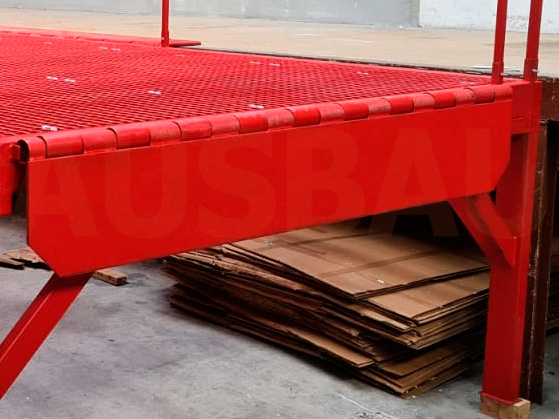
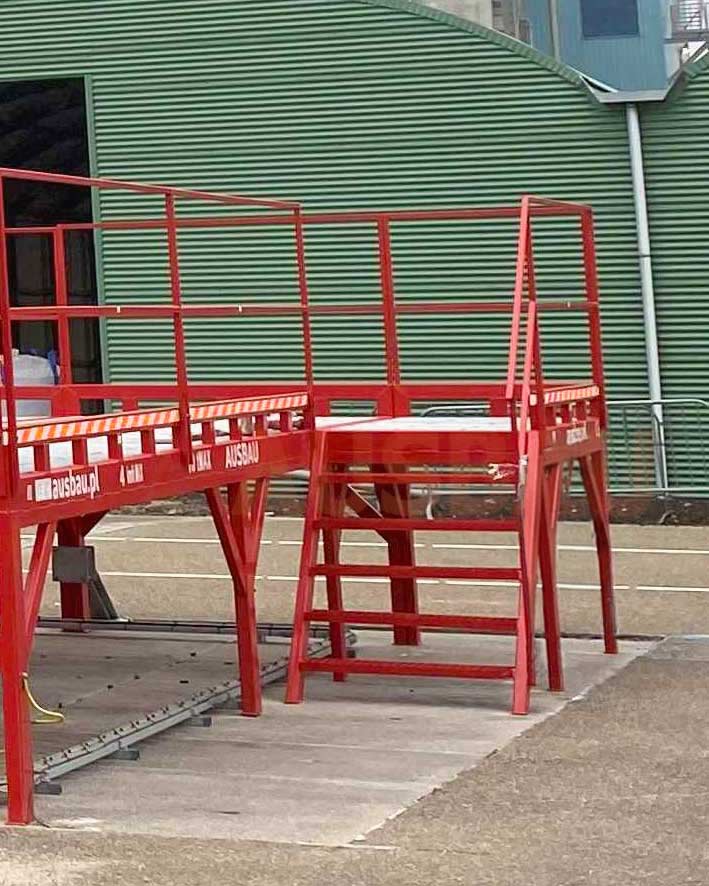
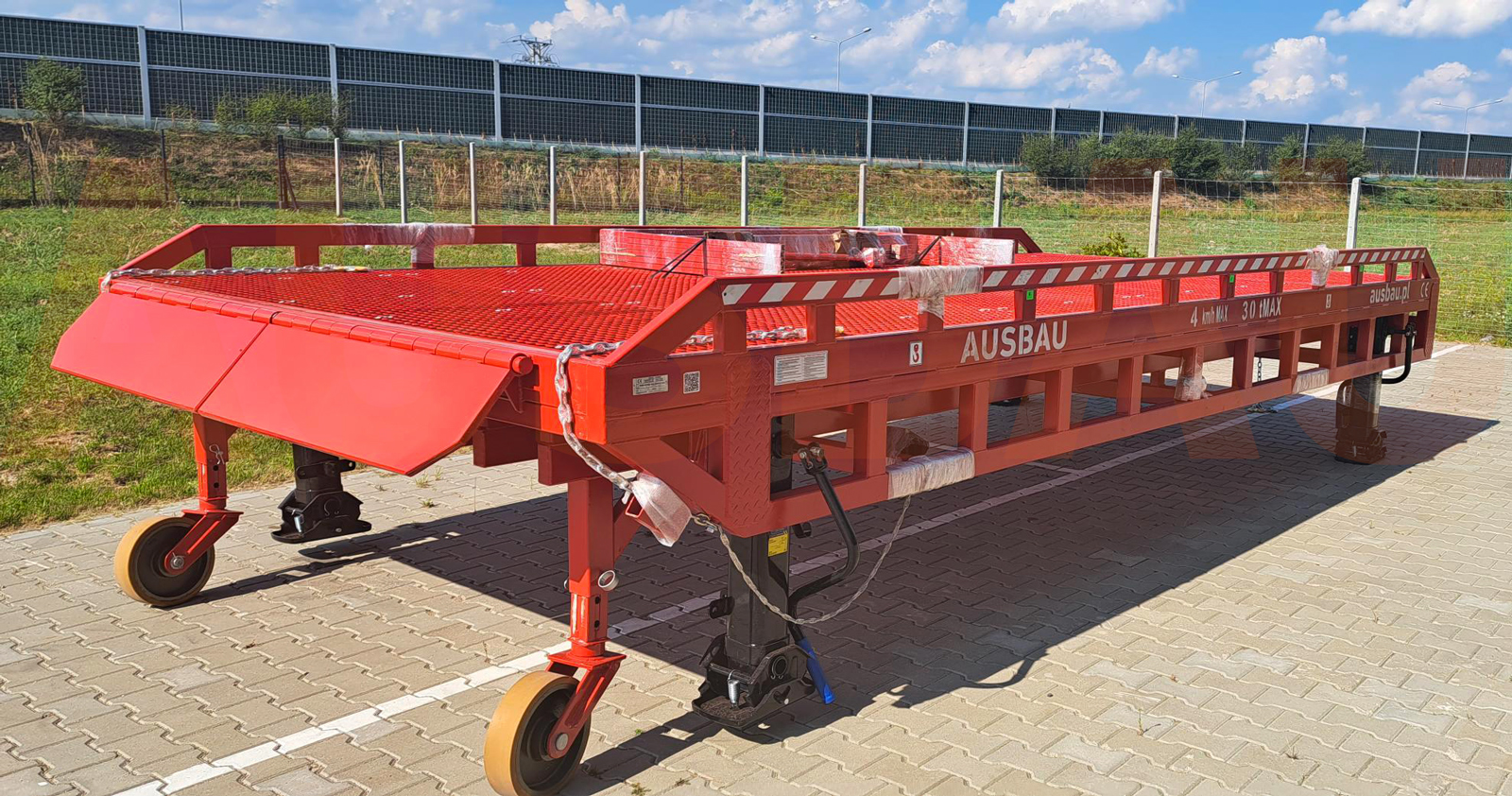
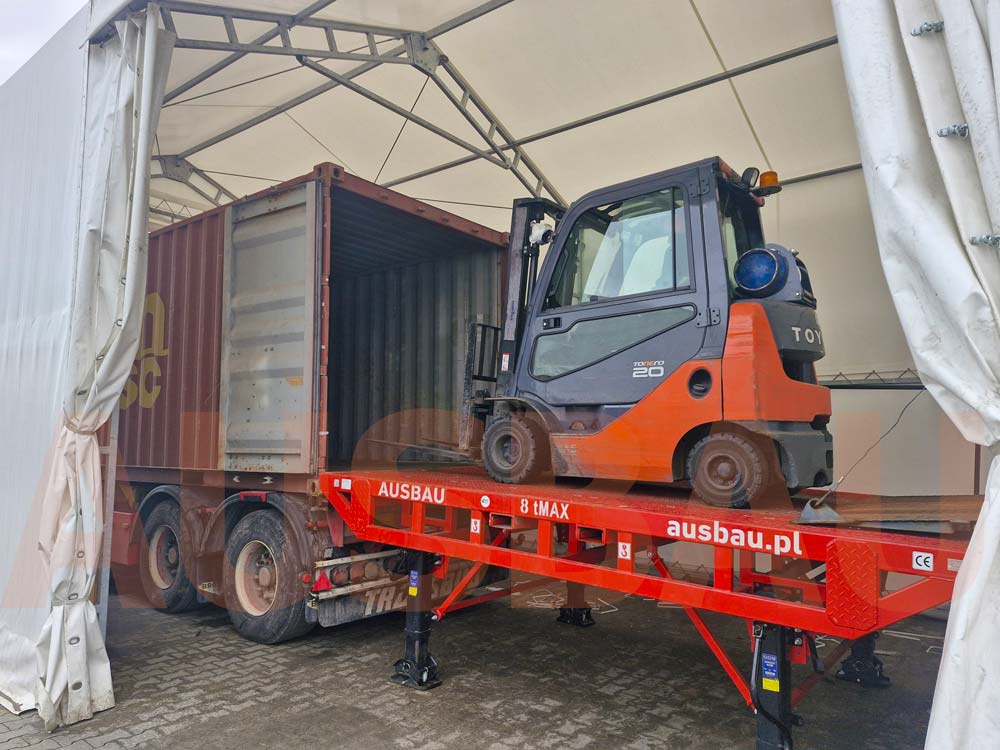
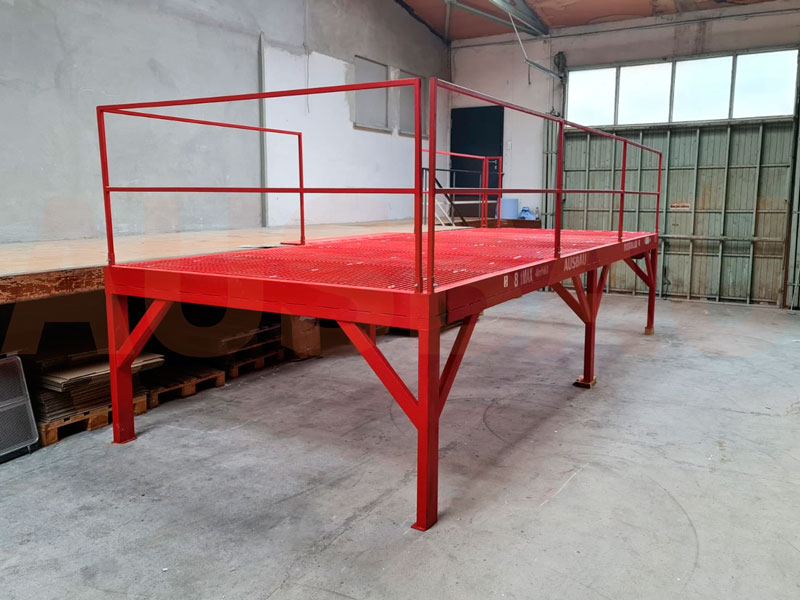
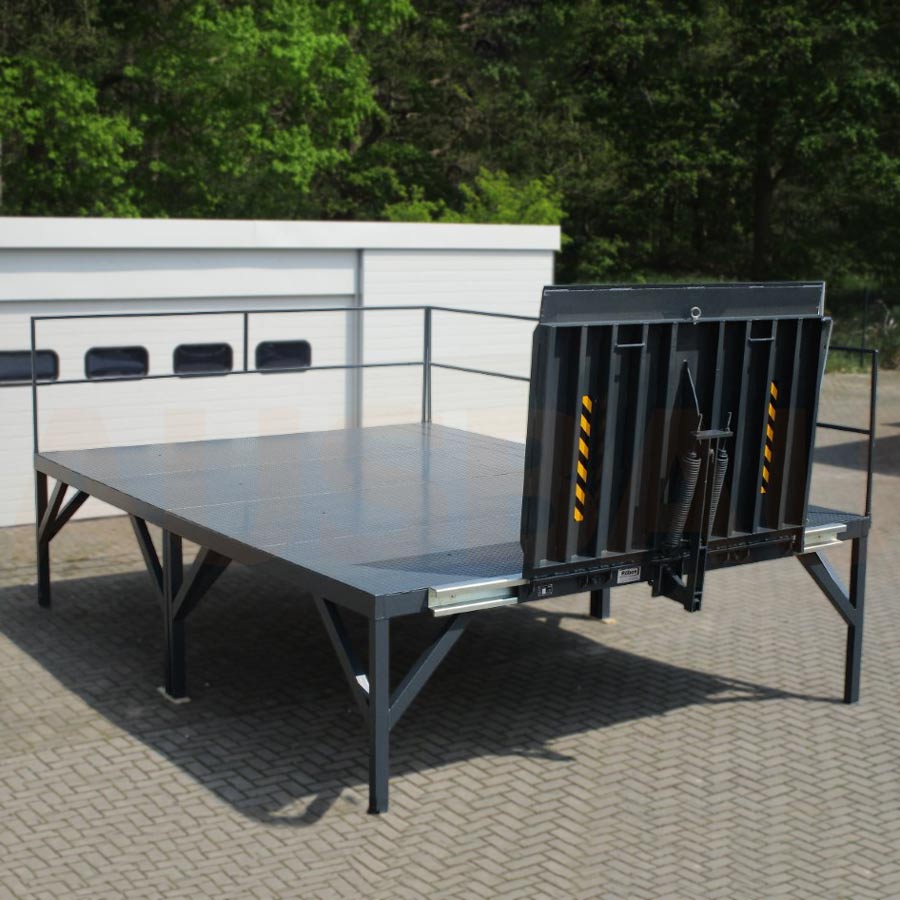
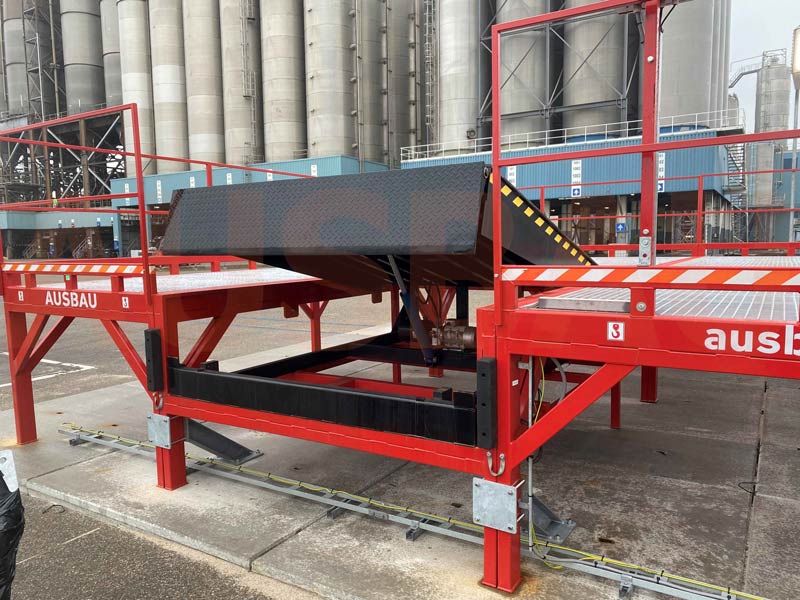
The lack of a permanent loading dock may lead to significant extra costs while processing cargo in the loading/ unloading area. However, these costs can be significantly minimized or even eliminated by means of installation of the modular loading dock platform AUSBAU-PLT, which, in essence, becomes a loading platform.

The advantages of the modular loading dock platforms AUSBAU-PLT are significant. They not only increase the business efficiency of a company but in case of a change of a company location, you can transport the modular dock to a new place. This is a liquid asset of your company, which can be moved, modified or sold.

CE Standard.

Technical characteristics
Load on platform, kg 3000 / 8000 / 12000
Total length, mm 4300 / 6300
Total width, mm 2400 / 2800
Connecting lip length, mm 300
Working height, mm 1100 / 1200
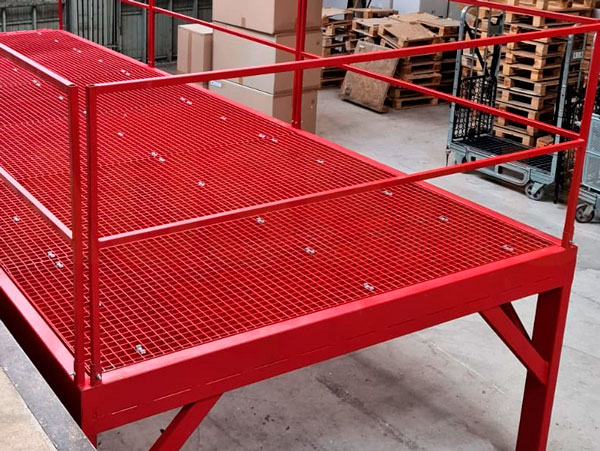
Riding surface zinc-coated anti-slip grating / chequer plate
Warranty 18 months
Models and dimensionsLoading platform AUSBAU-PLT
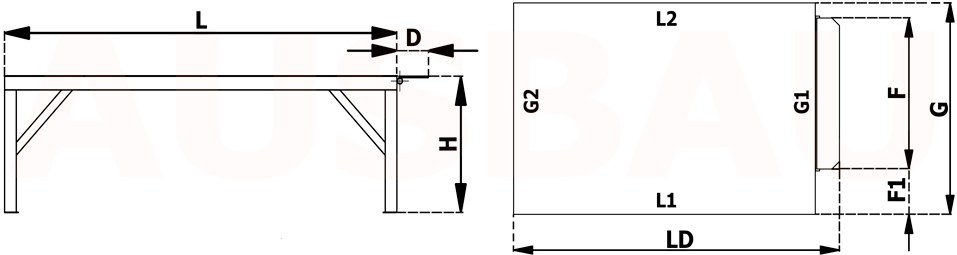
# Model Load capacity, kg Ramp dimensions, mm
G L D LD H F F1
1 PLT3-2400×4000 3000 2400 4000 300 4300 1100/1200 2000 300
2 PLT3-2400×6000 3000 2400 6000 300 6300 1100/1200 2000 300
3 PLT3-2800×4000 3000 2800 4000 300 4300 1100/1200 2000 700
4 PLT3-2800×6000 3000 2800 6000 300 6300 1100/1200 2000 700
5 PLT8-2400×4000 8000 2400 4000 300 4300 1100/1200 2000 300
6 PLT8-2400×6000 8000 2400 6000 300 6300 1100/1200 2000 300
7 PLT8-2800×4000 8000 2800 4000 300 4300 1100/1200 2000 700
8 PLT8-2800×6000 8000 2800 6000 300 6300 1100/1200 2000 700
9 PLT12-2400×4000 12000 2400 4000 300 4300 1100/1200 2000 300
10 PLT12-2400×6000 12000 2400 6000 300 6300 1100/1200 2000 300
11 PLT12-2800×4000 12000 2800 4000 300 4300 1100/1200 2000 700
12 PLT12-2800×6000 12000 2800 6000 300 6300 1100/1200 2000 700
Movable dock ramp operating principle

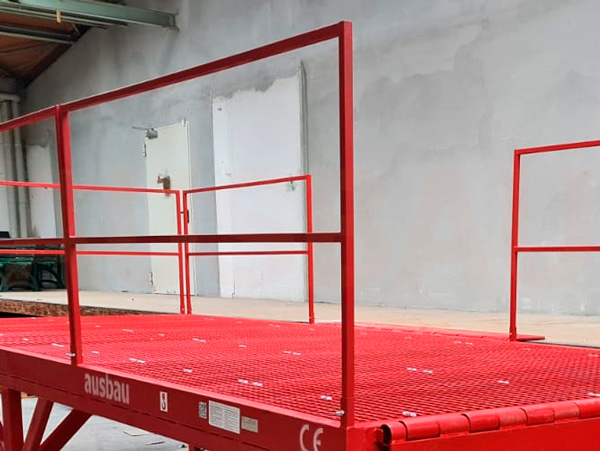
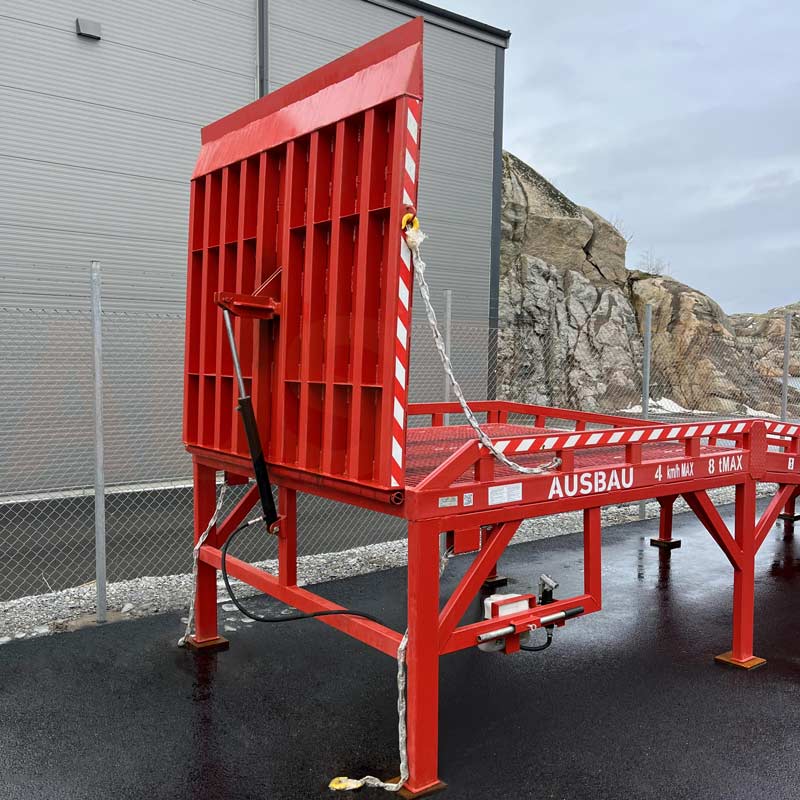
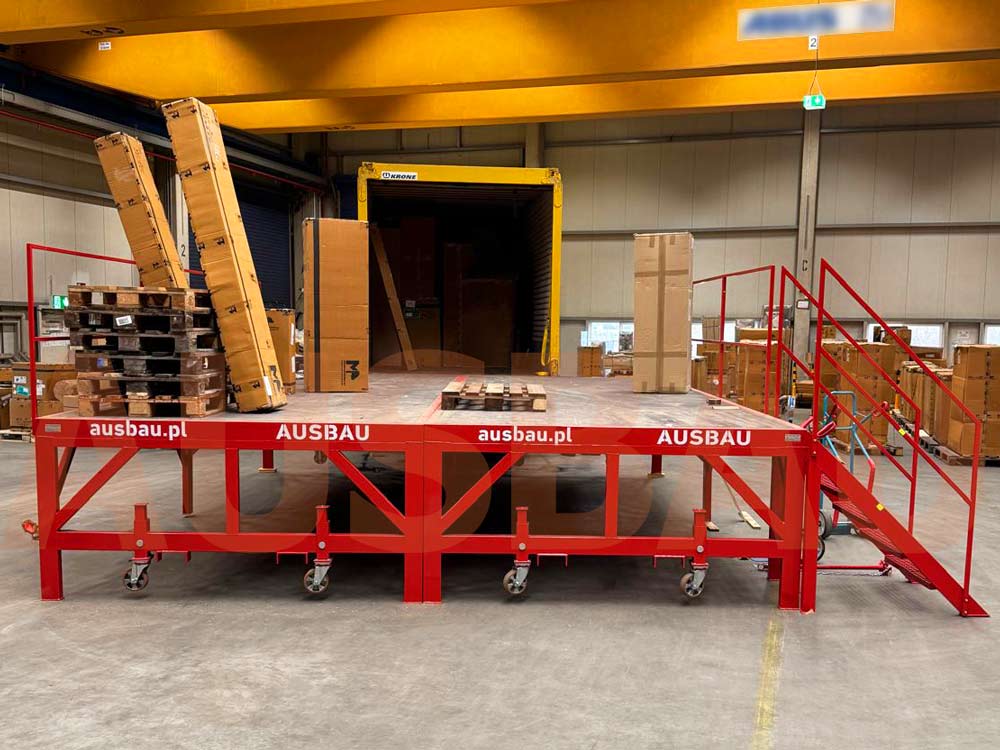
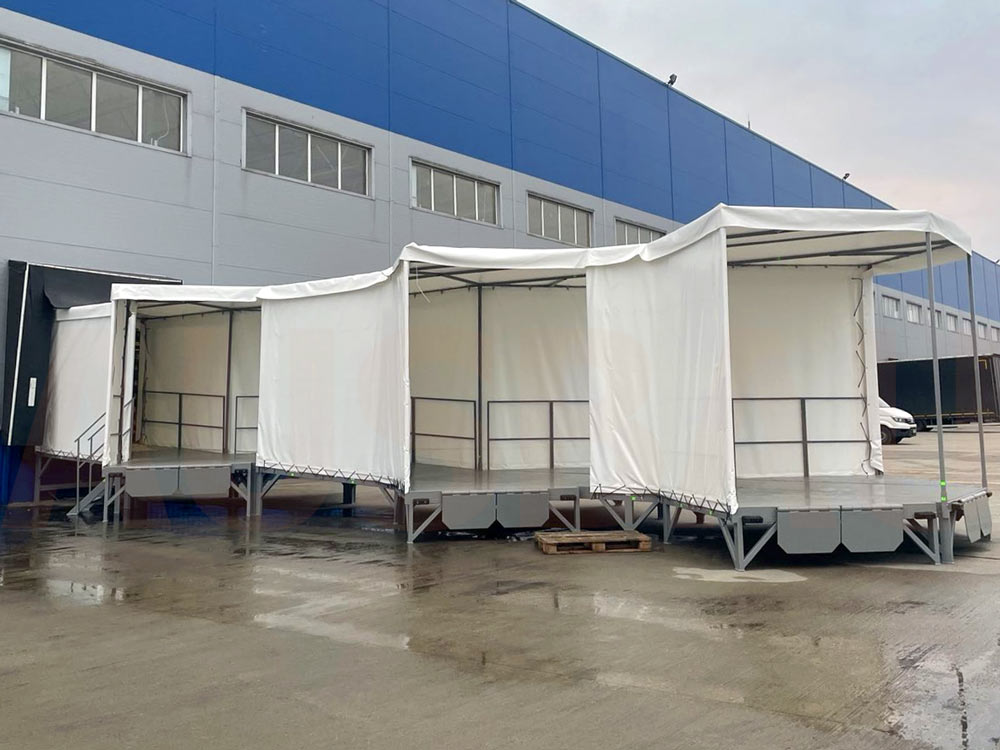
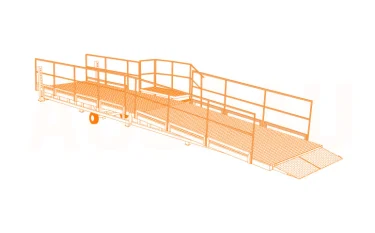
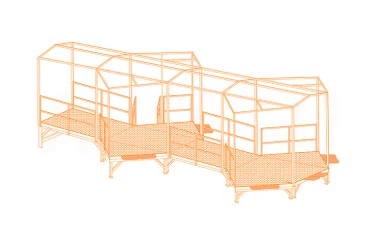
The modular loading dock platform AUSBAU-PLT may consist of one or many platforms, connected together, including modules with hydraulic dock levelers AUSBAU-DL, which allow access to vehicles, stairs, steps, and loading ramps. Our modular loading dock platforms are also equipped with many safety options, such as safety railings, protective curbs, bumper supports. They provide the safety of employees and prevent accidents at the loading area.

In case you’re not sure which solution is the best fit for your needs, our specialists will gladly advise you. We will offer you various solutions for your warehouse that will help you in your business.
OPT-DL - built-in dock leveller.
AUSBAU-HA2
OPT-HA - height adjustment.
AUSBAU-AB
OPT-AB - additional bridge.
AUSBAU-HRL
OPT-HRL - additional protective hand railings on side L, mountable.
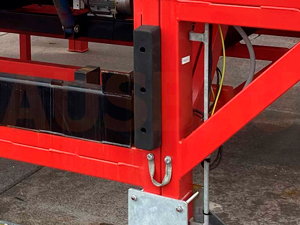
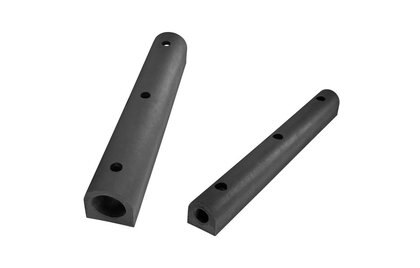
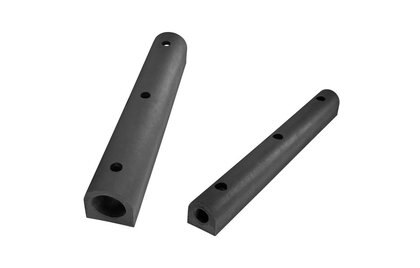
OPT-RRB - rubber bumpers rectangular, pair.
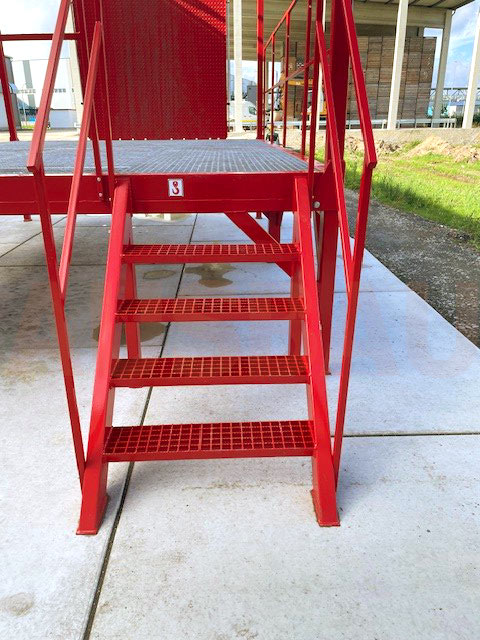
OPT-LD - ladder for pedestrians.
AUSBAU-WL
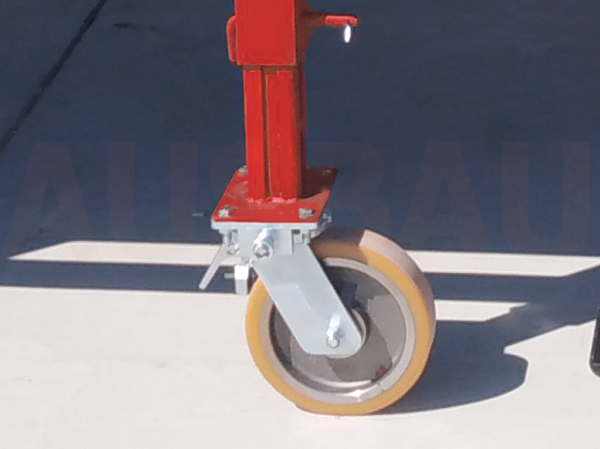
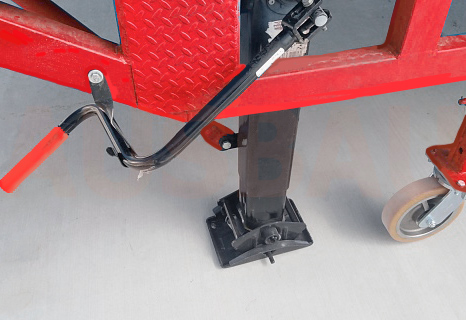
OPT-WL - pair of wheels for local small moving.
AUSBAU-RF
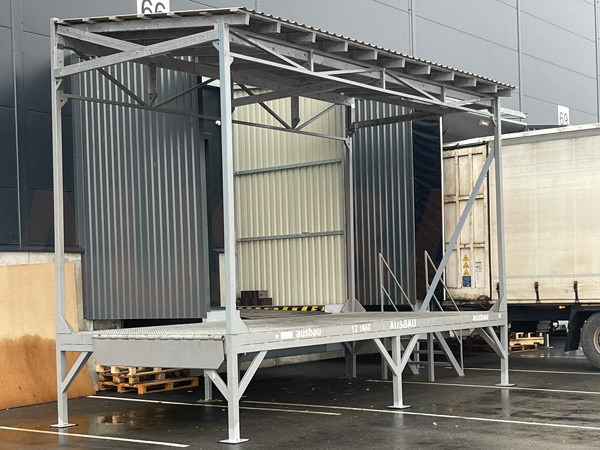
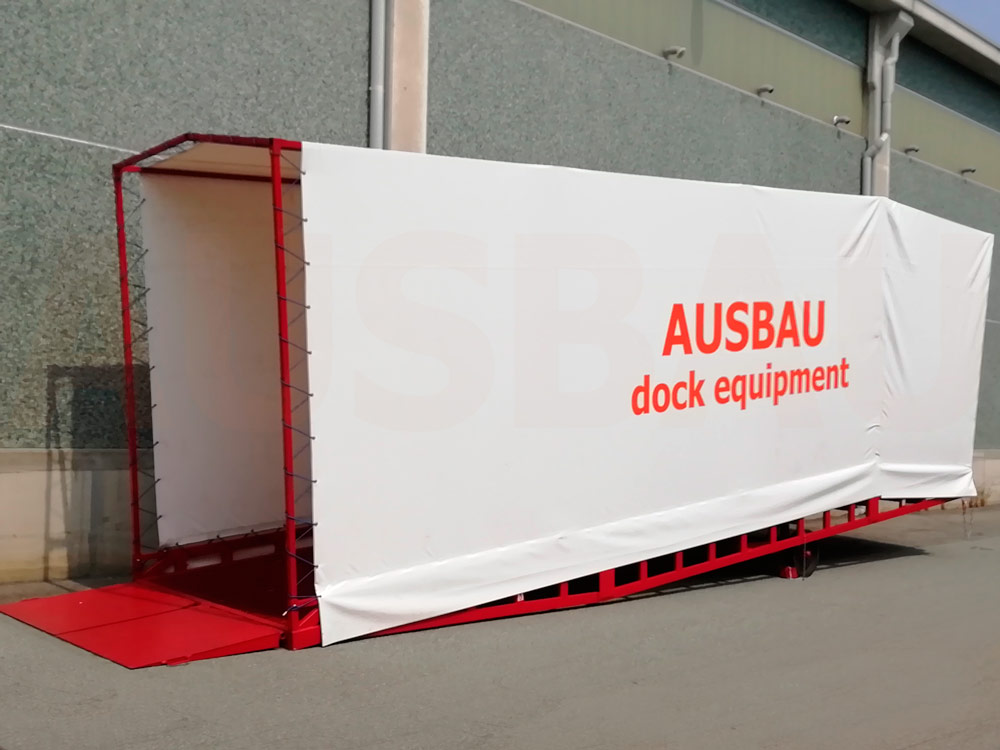
OPT-RF - roof above the platform.
AUSBAU-HRG
OPT-HRG - additional protective hand railings on side G, mountable.
AUSBAU-DRBL
OPT-DRBL - rubber bumpers on L side.
AUSBAU-DRBG
OPT-DRBG - rubber bumpers on G side.
OPT-LDP - ladder with platform for pedestrians.
OPT-BR - hydraulic loading bridge.
AUSBAU-TC
OPT-TC - tent сover over the ramp, mountable.
AUSBAU-CLR
OPT-CLR - different color.

You can see more photos in the gallery

FAQ

1. What is a loading platform and what is it used for?
A loading platform is a metal structure used to set up a loading and unloading area at the required working height. It enables loading equipment to move between the warehouse, transport, and other elements of the loading complex.

The platform can be used as a standalone structure or consist of several connected modules. Freight ramps, stairs, hydraulic dock levellers, and other components can be attached to it, allowing the creation of loading zones of various configurations.

Unlike a permanent concrete loading dock, the AUSBAU modular loading platform can be expanded, reconfigured, dismantled, and relocated to another site. Therefore, it is suitable both for organising a single loading point and for creating a comprehensive loading zone tailored to a specific logistics process.

2. What is the difference between a loading platform and a loading dock ramp?
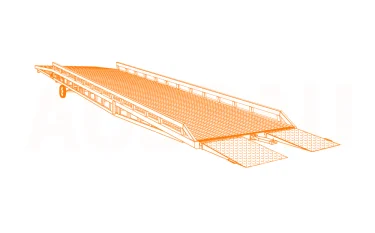
The main difference lies in the function of the structure. A loading ramp is primarily designed to overcome a height difference and ensures the access of loading equipment from one level to another. A loading platform creates a horizontal working area at the required height, where equipment can move and perform loading and unloading operations.

The platform is especially convenient when it is necessary to:
  • service several vehicles simultaneously;
  • create space for the movement and manoeuvring of the forklift;
  • combine several loading points into a single working zone;
  • install ramps, dock levellers, stairs, and other elements of the loading complex.

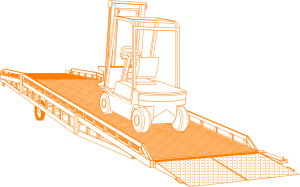
In practice, a loading ramp and a platform are often used together: the ramp ensures the ascent of the equipment, while the loading platform provides the working space at the specified height.
3. How to choose the size of a loading platform?
The dimensions of the loading platform are chosen considering the number of loading points, the dimensions of the transport and loading equipment, the required manoeuvring space, and the organisation of cargo traffic.

When selecting, the following factors are considered:
  • working height – it must correspond to the level of the serviced transport or the loading zone; the height can be adjusted using additional options;
  • length and width of the loading dock platform – determined based on the dimensions of the equipment used, the required workspace for operations, including storage and transshipment of various types of goods/cargo/equipment, as well as the number of vehicles operating simultaneously;
  • number of loading bays – for multiple vehicles, the platform can consist of several connected modules and, in the future, transform like building blocks into a wider or longer platform;
  • configuration of the area – the location of the building, vehicle access routes, and the direction of movement of the loading equipment are taken into account;
  • the height, width, and length of the structure can also be individually calculated according to a specific request.

AUSBAU loading platforms have a modular design, so the dimensions, shape, and number of sections can be selected for a specific loading and unloading scheme, and if necessary, the platform can be combined with ramps, dock levellers, and other elements.
4. How to calculate the load capacity of a platform?
The platform's load capacity is chosen based on the weight of the loading equipment, the maximum weight of the cargo being moved, and the number of equipment units that can be on the platform simultaneously, plus a 10% safety margin.

Unlike a loading ramp, it is especially important here to consider not only the maximum load from a single forklift, but also the simultaneous operation of several equipment units, with or without goods, on the shared area.

The calculation also takes into account the dimensions of the loading platform, the placement of supports, the number of sections, and the intensity of operation. The higher the daily intensity of unloading, loading, and transshipment processes, the safer it is to choose a construction load with an extra 2 tons of reserve.

For non-standard tasks, AUSBAU can manufacture a reinforced platform for the required high load capacity, calculating the load-bearing structure and the placement of supports for the specific operational scheme of the enterprise.

5. What additional options can be installed on a loading platform?
The loading platform can be adapted to a specific loading scheme, transport, and operating conditions. For AUSBAU platforms, the following options are available:
  • built-in dock leveller – for docking the platform with transport of varying heights;
  • working height adjustment – allows adapting the platform to the conditions of the loading zone;
  • additional bridge – creates an additional docking point;
  • hydraulic loading bridge – facilitates work with transport and compensates for height differences;
  • protective hand railings – increase personnel safety;
  • stairs or stairs with a platform – provide employee access to the platform;
  • rubber bumpers – protect the loading platform and transport during docking;
  • wheels – allow local movement of the platform;
  • roof or tent cover – protect the working area from precipitation.

As AUSBAU is the manufacturer, loading platforms can be combined into multi-modular structures and integrated with ramps, dock levellers, bridges, stairs, and other elements, creating a loading zone tailored to a specific logistics process.
6. How should a loading dock be secured?
The safety of the loading platform depends on proper design, installation, and the organisation of loading and unloading operations. It is important to consider:
  • the conformity of the structure to the actual load;
  • the stability of the platform and the correct load distribution across the supports;
  • the reliability of the connection between individual platform modules;
  • safe docking with transport, ramps, and other equipment;
  • sufficient space for the movement and manoeuvring of loading equipment;
  • separation of equipment and personnel traffic zones;
  • the condition of the working surface and the absence of obstacles along the travel path.

It is especially important to consider the simultaneous operation of multiple forklifts and the servicing of several vehicles if the loading platform is designed for multiple loading bays.
Ask a question
Please fill out the form or send a request to mail@av-exim.com

    Subscribe to the newsletter
    Ask a question
    Please fill out the form or send a request to mail@av-exim.com

      Subscribe to the newsletter
      Ask a question
      Please fill out the form or send a request to mail@av-exim.com

        Subscribe to the newsletter